

Feasibility and Significance
Feasibility
Feasibility refers to the possibility of a proposed project being successful based on various factors such as resources, time, cost, and technology. It involves assessing whether the project can be accomplished within the constraints of the available resources and whether it aligns with the goals and objectives of the organization or individual. The following are the assessment, analysis, and synthesis of the feasibility factors of our research:
Sample Size
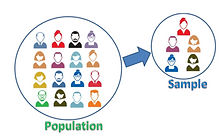
The sample size of 150 respondents out of the target of 250 may impact the representativeness of the sample. However, with a sample size of 341 students based on the Krejcie and Morgan table of sample size determination, the study can still provide valuable insights into the relationship between pet ownership and well-being.

Type of Sampling
Convenience sampling, the distribution of google form survey through social media such as WhatsApp groups and face-to-face interactions, can introduce bias into the sample. While convenient, it may not represent the entire population of undergraduate students at UNIMAS. Therefore, it is essential to acknowledge this limitation in the study.

Data Collection Method
Using questionnaires via Google Form with informed consent on the front page is a suitable method for data collection. It ensures ethical considerations are met and allows for efficient data gathering within the specified timeline.

Data Collection Timeline
The timeline of May 5, 2024, to May 30, 2024, provides a reasonable window for data collection and analysis within a specific period. To ensure that the target sample size is reached within the given time, we also actively set gentle reminders to encourage undergraduate UNIMAS students to participate in answering the survey and asked them to share with their other friends to gain as many respondents as possible to prevent any delays in subsequent phases of our research.
Significance
Significance, on the other hand, refers to the importance, relevance, or impact of something. It indicates the degree to which a particular project matters or makes a difference. Significance can be measured in terms of the benefits it brings, the problems it solves, the value it adds, or the impact it has on society. The following are the significances of our research study:
Relevance

The research topic on the relationship between pet ownership and well-being is relevant, especially in understanding how pets can impact the overall well-being of undergraduate students. This topic aligns with the growing interest in mental health and well-being in educational settings.
Contribution
Despite the limitations of convenience sampling and the current number of respondents, the study can still contribute valuable insights to the existing literature on the impact of pet ownership on well-being. The findings may provide new perspectives on the role of pets in promoting well-being among students.


Implication
The study's results could have implications for universities in developing pet-friendly policies or support services that enhance the well-being of students through pet ownership.